

EXCERPT: Very Vancouver
July 08th, 2026
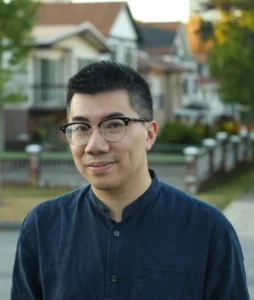
Raised in a Vancouver multicultural neighbourhood, journalist Christopher Cheung has spent over a decade investigating his home city. In Very Vancouver: Uncovering the Soul of a West Coast City (ECW Press $26.95), Cheung tells 15 stories ranging from how migration has shaped East Vancouver cuisine to the inequalities of BIPOC communities, the working class and the unhoused. His debut title, Under the White Gaze: Solving the Problem of Race and Representation in Canadian Journalism (UBC Press, 2024) was shortlisted for a BC & Yukon Book Prize and the Vancouver Book Award. Cheung has worked as a reporter at The Tyee, Metro and the Vancouver Courier and has received two Webster Awards. Here we excerpt part of a story about a Vietnamese neighbourhood. 9781770418387
Love and Beef Balls
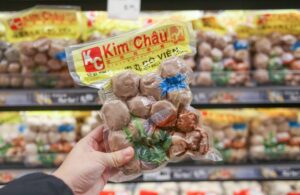
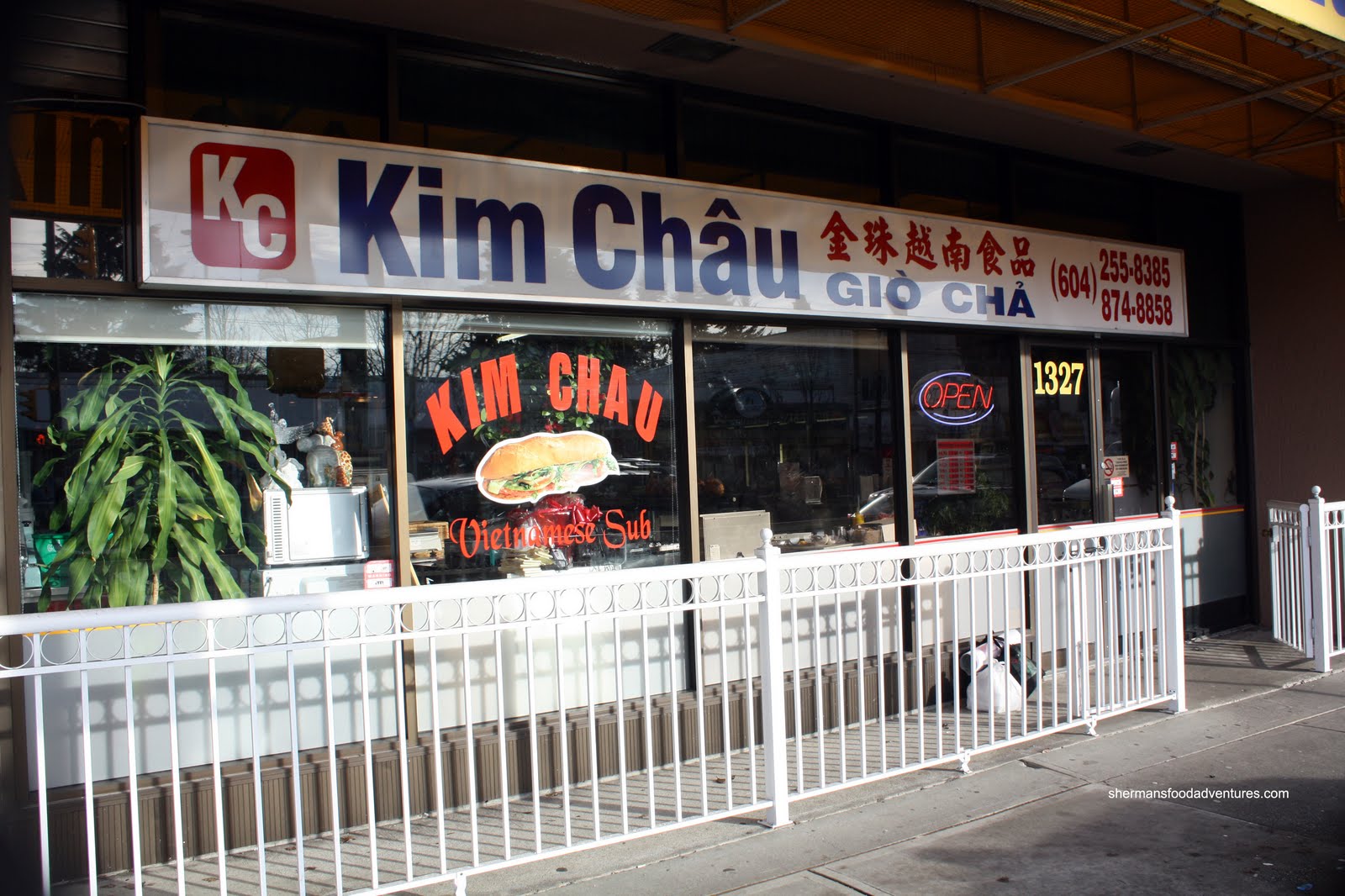
“I had always wanted to meet Châu. Their deli had its red-and-yellow logo on every packet of beef balls, sold from their Kingsway storefront and in Asian supermarkets across the city. They eventually moved out of Chinatown to be at the centre of what some call “Little Saigon,” a stretch of restaurants, salons, jewellers, offices, and auto shops opened by other refugee families as they settled in Vancouver.
I would peek behind the counter at Kim Châu whenever I stopped to pick up a bánh mì, trying to catch a glimpse of the masters of meat crowded around the machines, churning out all sorts of cold cuts and meat balls. Vancouver critics made much ado of Châu Veggie Express, the family’s most recent venture that opened at a time when vegetarians were hungering for options, but I was curious about the storied deli that started it all.
 I called Maria, Châu’s daughter and business partner. It was the fall of 2022, and it just so happened that she was thinking about her family legacy too. “I literally grew up in every single business they had,” she said.
Being a restaurant kid is often romanticized by my fellow writers and journalists with tales of families working together, serving up meaningful dishes, and being recognized by the community. I admit it’s a trope that I’ve relied on too. But, as Maria and others have told me, there are tough truths to face. Being in the heat of the kitchen changes the relationships between parents, children, and siblings. “I see them at the restaurant and it’s quality time, but there’s no emotional connection,” she said. “There’s no, ‘Come have dinner after!’ The last thing I want to do is see you after I’ve worked a ten-hour shift.”
Being a restaurant parent is an experience that’s shared about less. Perhaps it’s hard to talk about. Perhaps it’s hard to know where to begin. “I’ve been really encouraging her to share more,” said Maria.
…
Kim Châu Deli, along with other manufacturers of cultural foods like the tofu makers at Sunrise or the noodle makers at Tak Fung, play an important role in the food chain that isn’t celebrated enough.
They’re the ones crafting the building blocks of so many dishes, helping restaurants and home cooks save time, and enabling cultural cooking that wouldn’t otherwise be possible. There is a white gaze to this too. English media love to rave about goods like fresh pasta and artisan sausages, while neglecting the immigrants of colour who make essential staples not yet “mainstreamed” by the masses like ghee and paneer so that their customers can maintain their food traditions.”





Leave a Reply