

Uncovering the Soul of Vancouver
August 05th, 2026
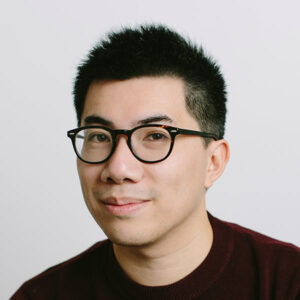
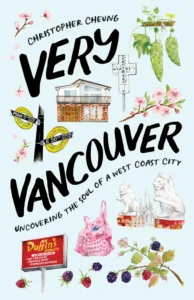
In Very Vancouver: Uncovering the Soul of a West Coast City (ECW Press, $26.95), award-winning reporter Christopher Cheung cuts through the glossy postcard image of Vancouver to reveal the complex, working-class and multicultural reality beneath. Drawing on more than a decade of local journalism, Cheung explores fifteen deeply researched stories—from Eastside culinary histories to the lived realities of binners, unhoused residents and long-standing immigrant communities.
In this candid Q&A with BC BookLook, Cheung reflects on challenging city misconceptions, the urgency of documenting elder stories and what it truly means to seek rootedness in a rapidly shifting urban landscape.
Get the book here: Very Vancouver
*
 BC BookLook: The title Very Vancouver suggests there’s a version of the city many people never see. What misconceptions about Vancouver did you most want this book to challenge?
Christopher Cheung: Ha! Was it that obvious that I was out to challenge something?
On a surface level, I think the idea of very Vancouver suggests that there’s an authentic city. Can there be such a thing when your vision of Vancouver is going to be so different from my vision of Vancouver? Who’s to say that one of our visions is more “authentic” than the other one?
I like exploring this tension because we are often bombarded with different visions of our city. Some people think we’re all about health and yoga. Some people think we’re overly progressive. Some people think we’re all about coffee and craft everything. Look at the vision that we’ve put out there for the World Cup: we’re fun, we’re diverse, we’ve got cityscapes and nice nature.
I hope the stories in this book surprise people who hang on too tightly to any one particular vision. That there’s working-class folks alongside those here for the outdoor lifestyle. That the diversity here isn’t new, it’s been here since the beginning of the city.
BCBL: Was there one person or family you met while researching this book whose story stayed with you long after you left?
CC: I’m going to say one of those cheap author-y answers: everyone! Once you’ve read the book, you’ll be able to tell I’m a very sentimental person.
I’ve worked as a journalist and have written daily news as well as feature stories that are closer in style to the stories in this book. When you’re writing in that feature-y, literary style, you get to do things that you can’t do in daily news. Your sources get to be fleshed out as characters, just like in fiction. You can write more details about what they look like, about their personalities, about their challenges and how they face them. But the surreal thing about this kind of writing is that after you finish your last sentence and publish the story … your character is a real person who goes on living. So I do often think about just about everyone I’ve interviewed because I only met them during one chapter of their lives, and I’m curious if they’re doing well and what they’re getting up to in the next.
But if you want me to answer you more directly, I suppose I’m going to have to say: binners. My heart always goes out to binners, and if you read “Payday at the Bottle Depot” in the book, you’ll know why.
BCBL: Vancouver is constantly changing, sometimes so quickly that beloved businesses and neighbourhoods disappear almost overnight. Were there any places you felt a particular urgency to document before they were gone?
CC: Not so much places, but people’s stories.
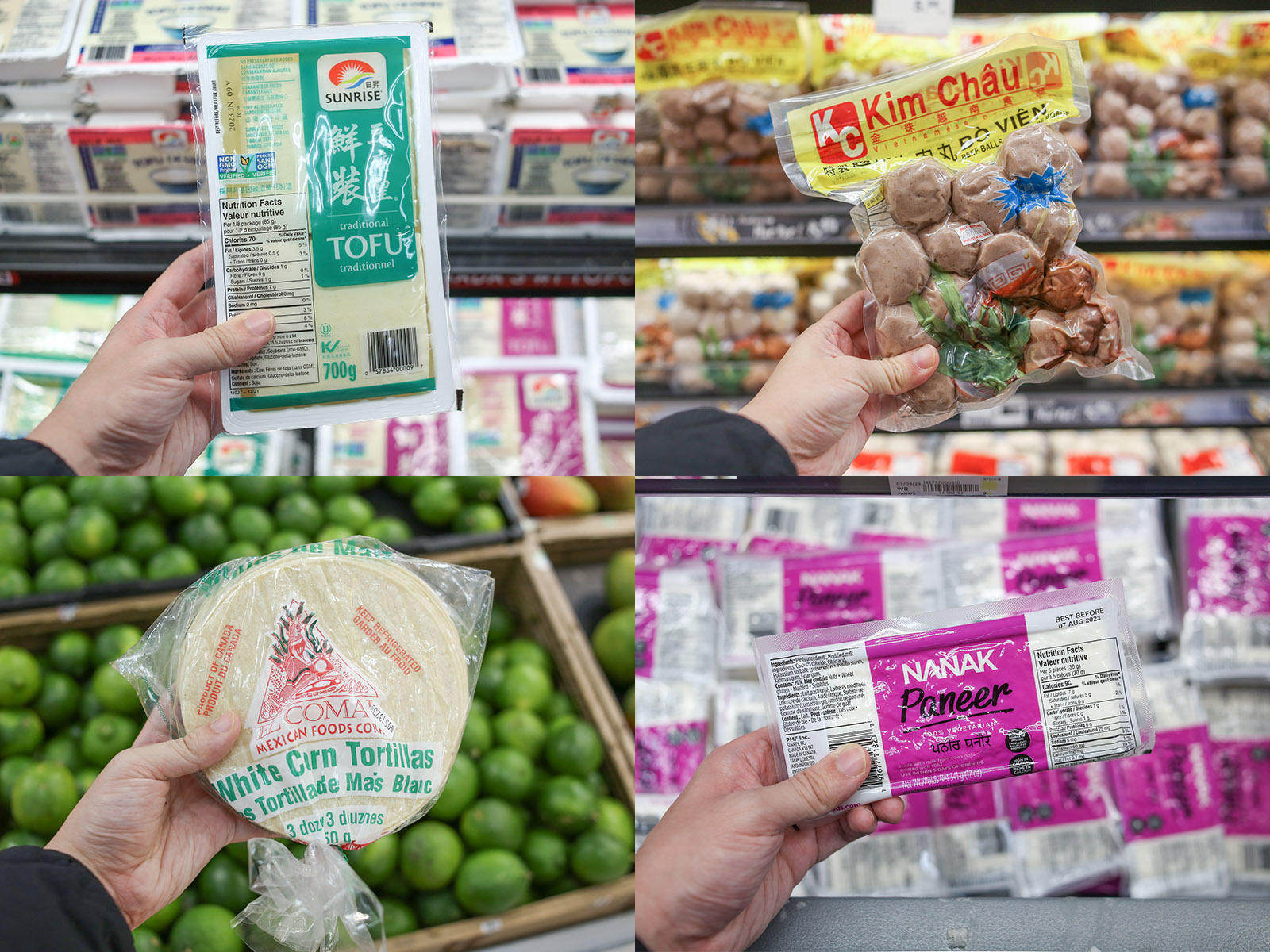
Tofu originates from China, bò viên from Vietnam, tortillas from Mexico, paneer from India — but these brands are all made in Canada. Photos by Christopher Cheung.
There’s a lot that’s delightful about the stories in the book: tasty food stories, revealing origin stories, inspiring stories about hard work. But there’s bittersweetness alongside: regrets, traumas, shame, broken relationships, physical toil. Those aren’t easy things to talk about, but they’re real and they’re part of the story. Can you talk about immigration and ignore the racism? Can you talk about a family business and ignore the conflict? Can you talk about working overtime and ignore the guilt of neglecting one’s children? Stories about immigrant or working-class Vancouver are all too often sanitized, but the more painful sides of them are part of the Vancouver experience too. The book’s “Love and Beef Balls” story is about the family who founded Kim Châu Deli and manufactured beef balls for so many phở restaurants. In it, the Huynhs are very forthcoming about the cost of success. I will never forget what they told me about the importance of being “honest” about all facets of stories like theirs.
And speaking of honesty, there are trailblazers in my book who were in their 70s and beyond. So I did feel an urgency to get their stories down as honestly as possible while they were still around. I don’t mean to be insensitive about death or illness, but it is a real thing to consider in this work. I’ve often had the children of elders thank me for documenting their family stories while the memories are still fresh.
A historian once told me that the first generation’s stories are pretty much forgotten by the third generation. In my experience, I’ve seen families living under the same roof that can’t even pass stories from parent to child for whatever reason.
BCBL: After spending years listening to people’s stories across Vancouver, what qualities do you think define this city more than its mountains or ocean?
CC: I’m going to bring up the title again, that idea that something can be very Vancouver. When my editor and I settled on it, I thought about it a lot because I figured I should be able to give an answer!
If there’s a defining quality that’s shared amongst people, that’s present in multiple aspects of Vancouver, that’s expressed in the city itself… Well, just look at how many of the stories in this book are about people who came to the city in post-war decades, fleeing something, hoping to start a new life. And they pay huge costs to put down roots here. So I think a spirit of survival and a search for rootedness. They explain so much, from the family life that flourishes here to the hunger for real estate. That continues to the present in a much more intense way, with our crisis of unaffordability. In the book’s final story, you’ll meet Steve, who’s just looking for a place to sleep, whether that’s in a hostel, an SRO or under a viaduct.
I’d like to add that if this idea of rootedness sounds like it carries a hint of colonialism with it, I think it’s because we’re still living in colonization’s complex legacy. Rootedness is often used in a positive way, but in Vancouver we can also see it expressed as greed or NIMBYism or resistance to change.
BCBL: When readers close the final chapter, what’s the one thing you hope they’ll notice the next time they walk down their own street?
CC: You know how in the Disney Little Mermaid, Ariel sings, “Look at this stuff, isn’t it neat?” I feel like too many Vancouver articles, videos and even books take that approach to local phenomena. It’s easy to think of the Vancouver Specials, the lion statues, the Duffin’s menu and even the families I’ve written about as “neat” and wear them on a hat or t-shirt. Authenticity becomes something to be consumed, rather than something to be unpacked. Stories heard become interesting trivia to repeat. I hope readers will become more curious about Vancouver and Vancouverites beyond what is shallow.
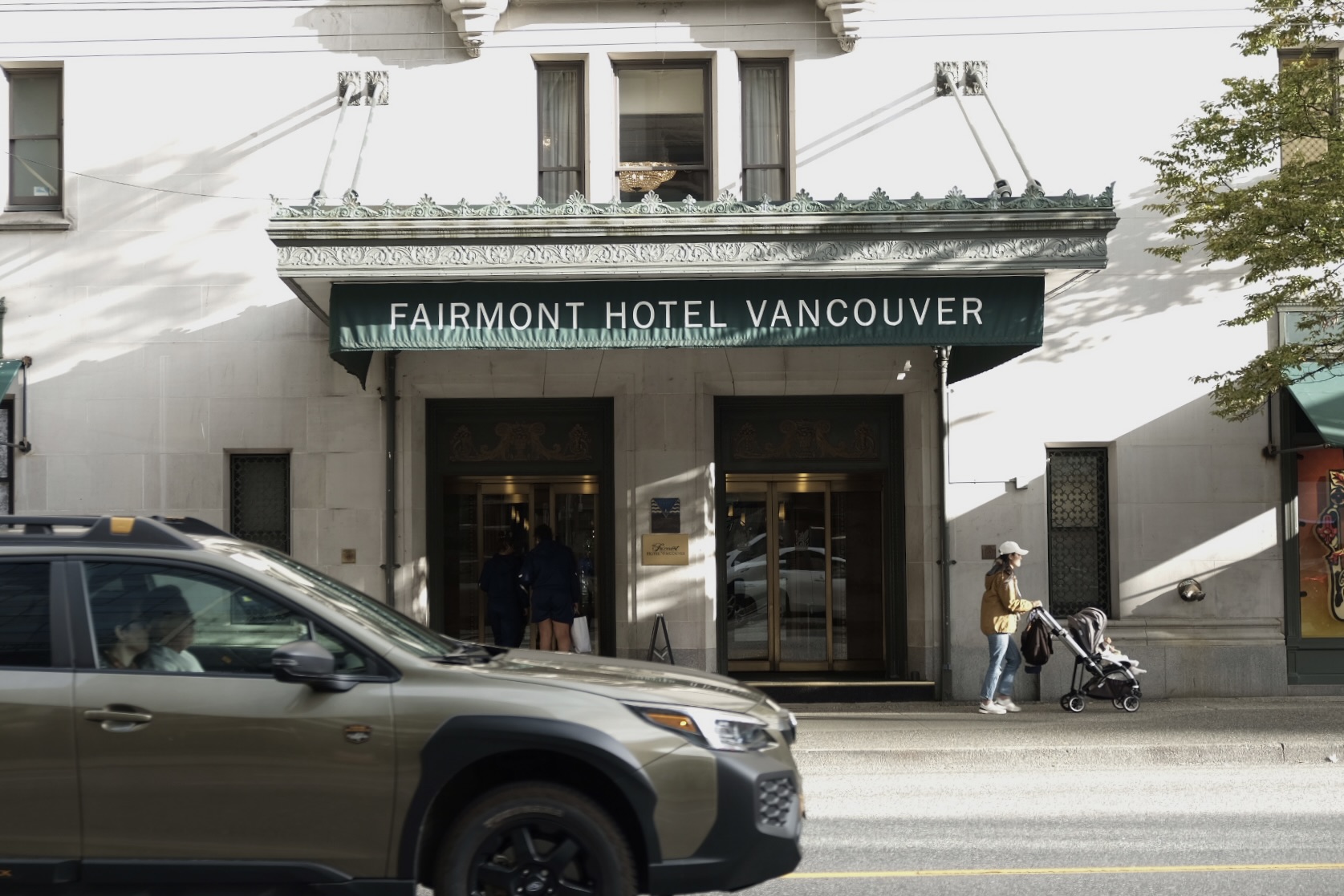
Vancouver in October. Photo credit: Brian Nguyen.





Leave a Reply